
Korean Culture and Language: Learning Korean Through K-pop
KoreanㅣTeacher. Mona Song
$ 220
Chapters: 10 Chapters
Average Video Length: 20 min
Subtitle Languages: Eng / Jap / Kor
Audio Language: Kor
Class Duration: 6 Weeks
Curriculum

CHAPTER 1
I am Korean.
This sentence expresses one's national identity with confidence and pride. It’s a simple yet powerful way to introduce oneself and establish cultural roots, often used in conversations where nationality is relevant.

CHAPTER 2
I am not an office worker.
This phrase clarifies one's profession, denying association with traditional office work. It is often used in conversations when explaining career paths or job preferences, particularly in creative or non-corporate fields.

CHAPTER 3
I also like dramas.
Sharing a personal interest in dramas, this sentence expresses a mutual appreciation for television series. It can be used in casual conversations to build rapport with others who share similar entertainment tastes.
CHAPTER 4
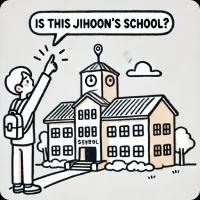
Is this Jihoon’s school?
This question seeks confirmation about a school’s association with a specific individual, in this case, Jihoon. It’s often asked when trying to verify information about someone’s place of education or when visiting a new location.

CHAPTER 5
The weather is not good.
A common observation about unfavorable weather conditions, such as rain or clouds. This phrase is used when commenting on the environment, often serving as a conversation starter or complaint about the current weather.

CHAPTER 6
I write a letter to my friend.
This sentence describes the act of sending a personal, written message to a friend, which conveys thoughtfulness and a deeper level of communication. It is often used to show the effort made to maintain friendships.
CHAPTER 7
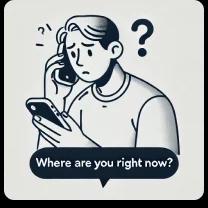
Where are you right now?
A question typically asked in casual conversations to check someone’s current location. It’s often used to coordinate meet-ups or simply check on someone’s whereabouts.

CHAPTER 8
I met a friend on Saturday.
Describing a weekend meeting, this sentence reflects casual weekend activities, such as catching up with a friend. It conveys the social nature of the person and is often used to discuss weekend plans or past events.
CHAPTER 9
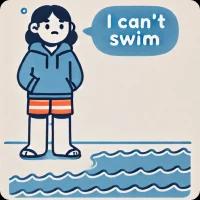
I can't swim.
This phrase openly admits an inability to swim, often expressed in modesty or humor. It is commonly used when discussing recreational activities or expressing limitations in certain skills.

CHAPTER 10
Shall we have lunch together?
A friendly invitation to share a meal, this sentence suggests a casual meet-up over lunch. It is often used to propose spending time together in a relaxed, informal setting.